Picture a care facility. Staff make their rounds, record vitals, report anything unusual — but rounds are, by nature, periodic. In the hours between two checks, an irregular heartbeat or a fall left unnoticed can pass without anyone knowing, until it's discovered too late to have caught it early.
What the facility needs isn't to replace its caregivers. It's to close the gap between one round and the next.
The obstacle is that most continuous monitoring devices are built for ICU-level settings — highly precise, but bulky, operator-dependent, and unsuited to everyday wear over long periods. Care settings need the opposite: something light enough to wear all day, collecting data continuously, without adding operational burden to a staff that's already stretched thin.
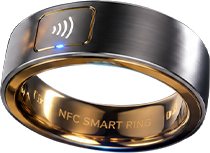
Anvor provides continuous physiological tracking, not a diagnosis meant to replace human judgment. Heart rate and activity data flow to the care team continuously, forming a layer of background information alongside routine rounds — not making decisions on staff's behalf, but surfacing signals like "activity is lower than usual today" or "an irregular heart rate overnight" before the next scheduled check.
For this facility, care decisions still rest with people. They just make those decisions with a continuous stream of data behind them, instead of relying only on memory of when the last round happened.
The technology isn't responsible for care itself. It's only responsible for making sure the hours in between aren't a complete blank.